
Repotting a bonsai in a sub-tropical climate

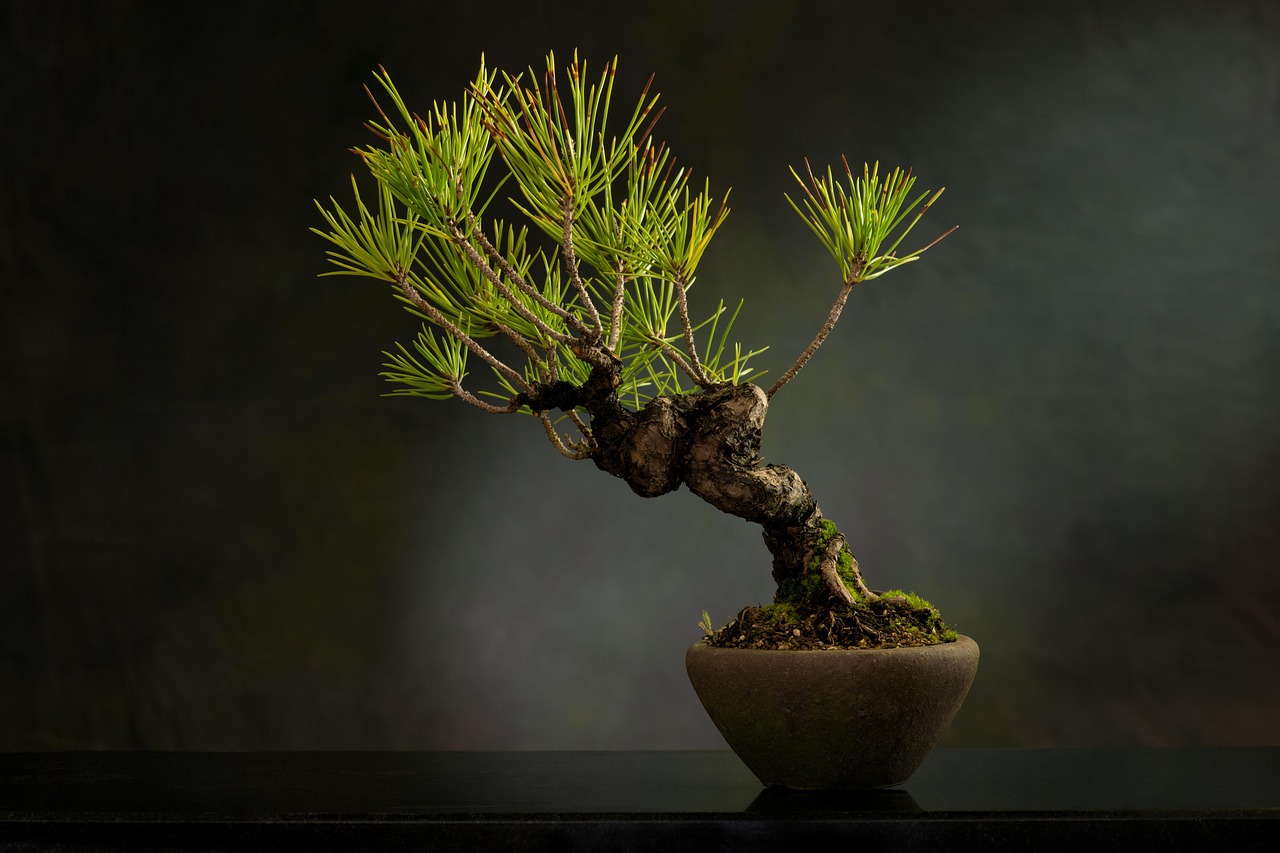
Repotting a bonsai in a sub-tropical climate
Almost all bonsai repotting advice is written for a temperate climate with a real winter, and it says: repot in early spring, as buds swell, before growth starts. In Miami-Dade that instruction does not map onto the year we actually have.
What is different here
South Florida is USDA zone 10b to 11. There is no hard dormancy. Tropical and sub-tropical species — ficus, bougainvillea, buttonwood, sea grape, Brazilian rain tree — grow more or less continuously, slowing in the cooler months rather than stopping.
Two practical consequences. Roots recover from disturbance far faster than in a cold climate, so repotting is less risky. But the summer — hot, wet and long — is a stressful time to be doing it, and the risk of root rot in a freshly repotted tree during the wet season is genuine.
When to repot here
Tropical species — late spring into early summer, when night temperatures are reliably warm and the tree is pushing growth strongly. Warmth drives root recovery, and these species want it.
Temperate species being grown here — junipers, pines, elms — follow the calendar they are built for: late winter, roughly February, before the spring flush.
The month to avoid for everything is the middle of the wet season, when a disturbed root system sits in soil that never fully dries.
How often
Judged by the roots, not by a calendar. Young, vigorous trees in small pots may need it every year or two; old trees in large pots can go five years or more.
The test is simple: lift the tree out of its pot. If roots are circling the wall and there is more root than soil, it is due. If the root mass falls apart and there is plenty of soil, put it back.
Trees in the ground-growing stage, being thickened, are repotted less often than refined trees in shallow pots.
The job, in order
- Prepare first. Pot cleaned, drainage mesh cut and wired, tie-down wires threaded, soil mixed and to hand. Roots must not sit exposed while you look for something.
- Ease the tree out. Run a sickle or a thin blade round the inside of the pot if it is stuck. Never pull by the trunk.
- Comb the roots out with a root rake, working from underneath and from the outside in, radially. The rake teases roots apart without cutting them.
- Prune. Remove circling roots, anything thick and going straight down, and anything dead. Aim to take no more than about a third of the root mass on a healthy tree.
- Position and tie down. The tree must not move. A tree that rocks in the pot shears the new roots as fast as they grow.
- Work soil in with a chopstick or a spatula tool, filling every void under and between the roots. Air pockets are where roots die.
- Water thoroughly until it runs clear from the drainage holes.
Aftercare, which matters more than the technique
Shade for two to three weeks. Not deep shade — filtered light. A freshly repotted tree cannot supply the water its leaves are losing, and full Miami sun will finish the job the root pruning started.
Shelter from wind, which desiccates faster than sun.
No fertiliser for three to four weeks. Feeding damaged roots burns them.
Water carefully rather than generously. A reduced root system takes up less water, so the soil stays wet longer, and overwatering after repotting is the most common way people lose a tree.
Soil in this climate
Drainage first, always, and more so here than almost anywhere. In a climate that delivers a summer of daily rain, a water-retentive mix in a shallow pot stays saturated.
Most local growers use an open inorganic mix — akadama, pumice, lava, or a locally available equivalent — with little or no organic matter. It drains fast, it holds air, and it can be watered daily in summer without drowning anything.
Fine potting compost in a bonsai pot in Miami is a root-rot problem waiting for the wet season.
The tools
The specific ones this job needs:
- Root rake or root hook — for combing roots apart without cutting.
- Root scissors — heavier than twig scissors, because they will meet grit.
- Long tweezers with a spatula end — for weeding, placing moss and working soil into gaps.
- A repotting mat — because this job produces an extraordinary amount of soil, and a mat turns a two-hour clean-up into folding a sheet.
- Wire cutters and pliers — for tie-down wires.
Where to look
Rakes, root hooks, tweezers, spatulas and repotting mats are on the tweezers, rakes and repotting page. Root scissors and shears are at cutters and shears, tie-down wire at training wire, and the kits that bring all of it together — several of which include a repotting mat — are under bonsai tool sets.